

Before engine start and camera lift, the bush speak softly, briefly, and only to those awake. The sky is still pale. Breath hang lightly in the air. Somewhere in the distance, a hyena laugh, and birds begin calling one another awake. This moment, just before sunrise, is easy to miss but on a Tanzania safari, it is everything.
Dawn reveal wildlife moments that simply don’t exist later in the day. It’s when the land feel alert, animals are active, and the bush tell its stories quietly, before heat and human movement take over. Early mornings don’t just improve sighting they change how a safari feel.
The First Hour of Wildlife Activity
The most important hour of a Tanzania Safari often happen before the sun fully rise. Predators are still moving. Lions finish night hunt. Leopards descend from trees. Hyenas return from long patrol. Prey animals are alert, scanning constantly, deciding where to graze safely.
This brief window cool, dim, and calm is when wildlife behavior is most honest. Animals aren’t hiding from heat yet. They aren’t resting. They’re transitioning between night and day, and that movement create opportunity.
An early morning safari in Tanzania does not guarantee dramatic action, but it gives you access to a layer of wildlife life that disappear quickly. Miss this hour, and you miss the tension, the anticipation, and the subtle decisions animals make before daylight settle in.
Cool Air, Clear Signals
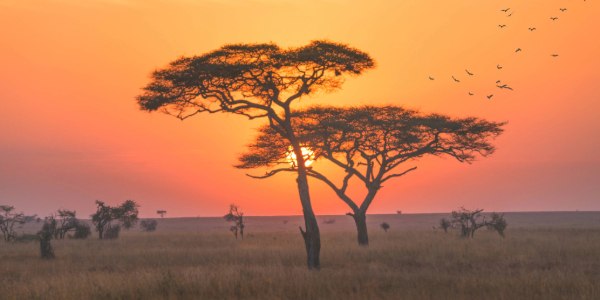
Temperature has an impact on everything in the wild.
In the early morning, the air is cool and dense. Scent carry farther. Sound travel clearly. Track pressed into soft earth overnight are still fresh. Visibility is often sharper, with gentle light revealing details harsh sun later wash out.
As the day warm, animals conserve energy. They retreat into shade. Movement slow. Behavior become harder to read. But at dawn, animals are still active and easy to understand.
This is why sunrise game drives in Tanzania are prized by experienced travelers and guides alike. It’s not just about seeing more animals. It’s about seeing them clearly moving naturally, responding to their environment, and interacting without urgency.
Sounds That Guide the Experience
Early mornings are quiet but they’re not silent. Bird call layer the air, each species announcing presence and territory. Alarm call ripple when predators move nearby. Hooves scrape earth. Wings beat softly overhead. Even silence itself carry meaning.
On a dawn safari, our guides often listen as much as they watch. Sound become a map. It hints at movement before animals are visible. It reveals tension or calm. Its direct attention long before binocular do.
Understanding Tanzania wildlife behavior begin with learning to listen. Early mornings make this possible because human noise is minimal, and the bush has not yet been drowned out by wind, heat, and engine.
Why Guides Push Early Starts
Many travelers wonder why guides insist on early departure. It’s not about routine it’s about reality. Wildlife operates on instinct, not convenience. Guides know that the best time for safari sightings is when animals are still active and light is soft. They know when predators hunt, when prey move, and when behavior is most dynamic.
Science support this. So does experience. Years of reading track, observing pattern, and understanding Tanzania weather have taught guides that mornings matter most.
An early start is not a sacrifice it is a gift. It give access to wildlife moment that don’t repeat later, no matter how long you stay out.
Missed Moments After Sunrise
Once the plain warm up, the bush change. Predators retreat to shade. Herds spread out or settle. Movement become subtle. Sighting still happen, but they feel quiet, slow, and often more distant.
This does not mean midday safaris lack value but they tell a different story. The raw edge of survival soften. Behavior become about rest rather than action.
Travelers who skip early mornings often leave feeling like something was just out of reach. Not because wildlife was not there but because they arrived after the most revealing chapter had already closed. On a Tanzania safari Tour, timing shape experience more than effort.
Light That Transforms the Landscape
Beyond wildlife, early mornings change how you see Tanzania itself. The light at dawn is forgiving and rich. It shape grass, dust, and distant hills. Shadows stretch long. Color deepen. Landscape feel layered rather than flat.
For photographers, this is invaluable. For everyone else, it’s emotional. The land feel alive, breathing, expectant. This is why many travelers say their most powerful safari memories are notabout action but atmosphere. Early mornings create space for that connection.
Early Mornings and Safari Planning
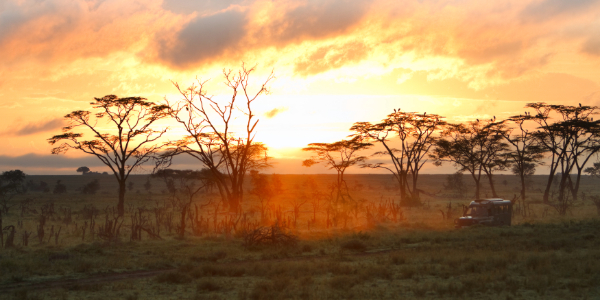
Understanding the value of dawn affect how you plan. Choosing the Best Time To Visit Tanzania include considering daylight hours, seasonal temperatures, and sunrise time. It also shape how you evaluate itineraries and Tanzania safari cost.
Safaris that prioritize early start often require early nights and flexible schedule but they reward that effort with rich experience.
Our experienced Tanzania travel guides design days around wildlife rhythm, not convenience. When early mornings are respected, the entire safari flow more naturally.
TRAVEL EARLY AND GET THE BEST VIEW OF ANIMALS
Early mornings on safari don’t feel rushed. They feel purposeful. You wake before the world stir, knowing something is unfolding beyond camp. You step into the cool air, alert and curious. The day begin with awareness, not urgency.
A Tanzania safari teach you that some moments only exist briefly and that being present early enough to witness them is a privilege.
- Start your safari before sunrise to experience Tanzania at its most alive.